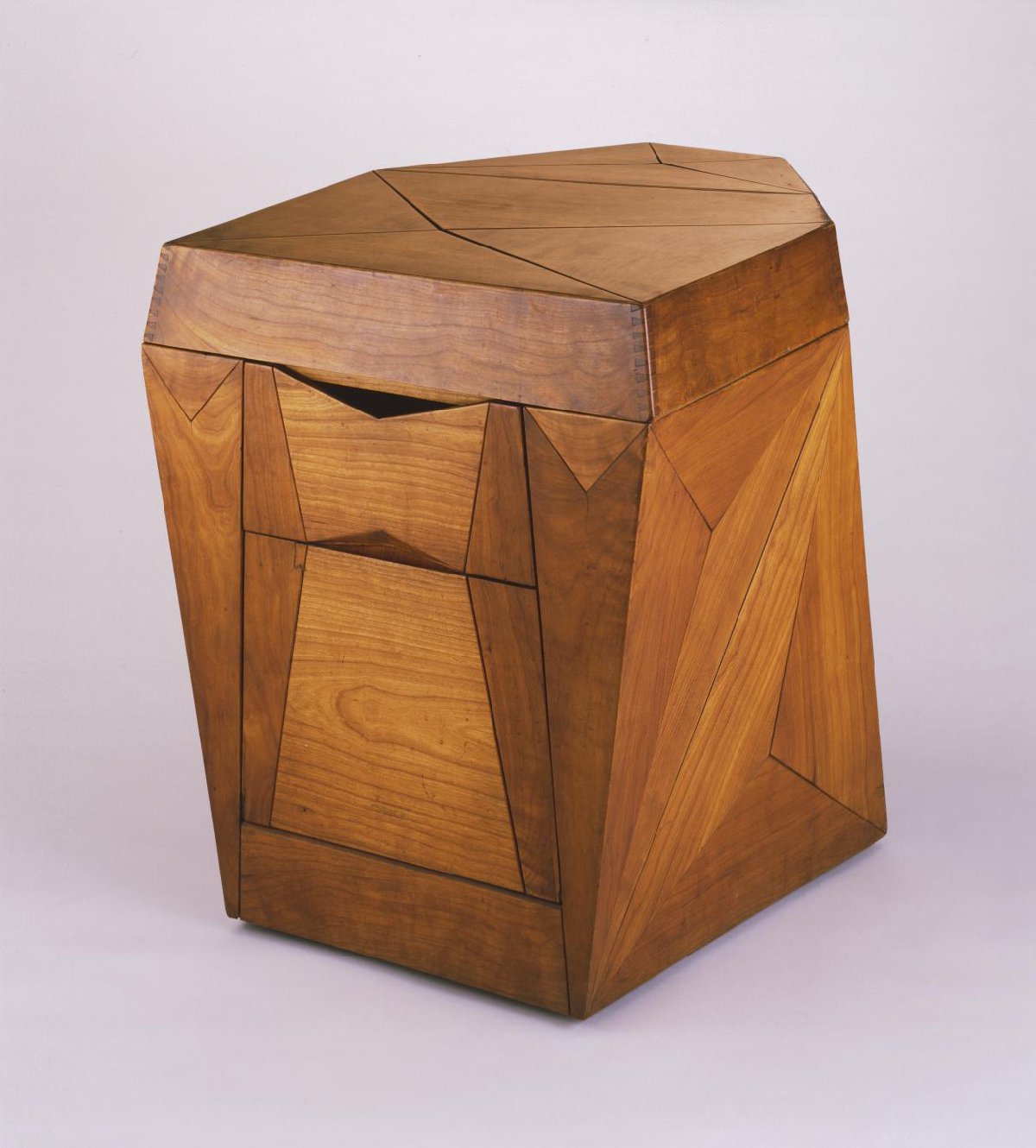
Art Deco answered Art Nouveau’s curves with crisp line and controlled geometry, and the market met it more readily. Cubism shaped its forms; new materials — lacquer, exotic veneer, glass, and steel — gave it surface. Émile-Jacques Ruhlmann and Paul Follot refused mass production, insisting each piece be made by hand; Louis Süe and André Mare worked in the same spirit.
Design Elements
- Costly materials — veneers, lacquered wood, ebony, ivory, later glass and steel
- Straight or slightly tapered legs
- Chair backs either very low or very high
- Stylized floral silks